“Ten Days That Shook the World” is a book written by the American journalist and socialist John Reed. It provides an eyewitness account of the October Revolution in Russia, which led to the establishment of the Soviet government. Read More
The King James Bible (KJV), also referred to as the Authorized Version (AV), is a classic English translation of the Bible. Commissioned by King James I of England and first published in 1611, it has had a profound impact on English literature and religious worship. Read More
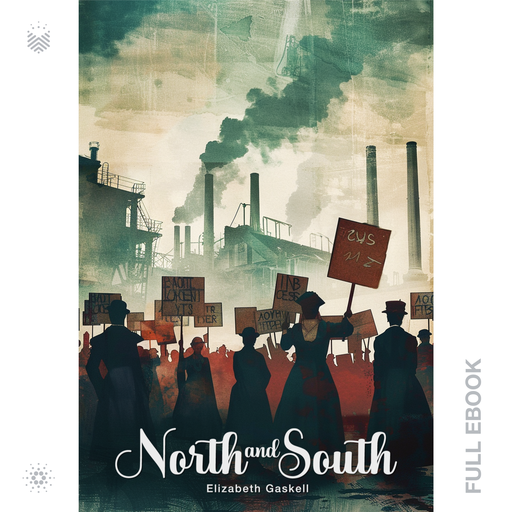
“North and South” is a novel written by Elizabeth Gaskell, first published in 1855. It is set in the fictional industrial town of Milton in northern England during the 19th century and explores the social and economic differences between the industrial North and the agricultural South of England. Read More
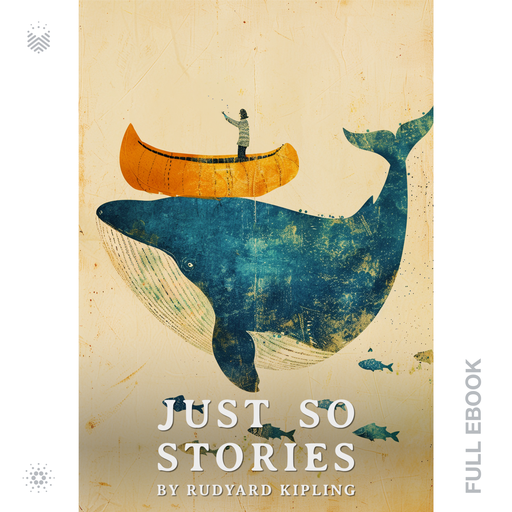
“Just So Stories” is a collection of whimsical and imaginative children’s stories written by Rudyard Kipling, first published in 1902. The book is notable for its engaging storytelling and inventive explanations for the origins of various phenomena in the natural world. Read More
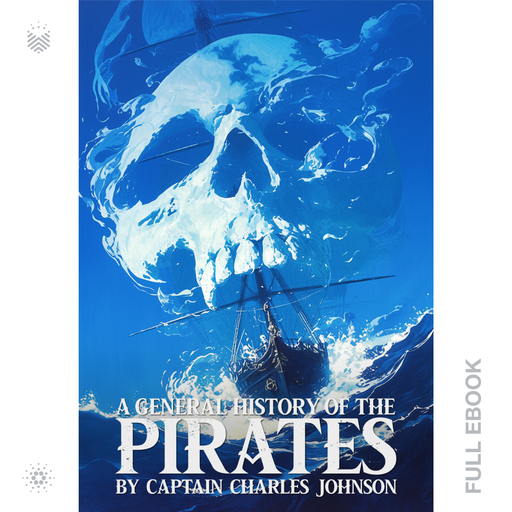
“A General History of the Pirates” also known as “A General History of the Pyrates” was written by Captain Charles Johnson, although the true identity of the author remains uncertain. The book was first published in 1724 under the title “A General History of the Robberies and Murders of the Most Notorious Pyrates” and is a comprehensive account of various pirates and their exploits during the “Golden Age of Piracy” in the late 17th and early 18th centuries.
… Read More
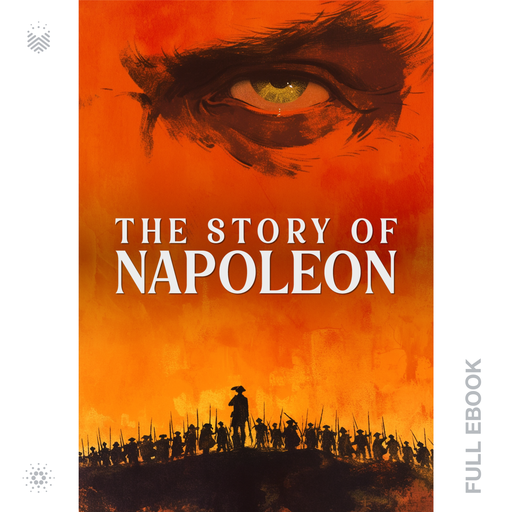
Harold Wheeler’s “The Story of Napoleon” presents a thorough biography of the renowned French military commander, Napoleon Bonaparte.
Napoleon Bonaparte was a towering figure in European history, known for his military prowess, strategic brilliance, and ambitious political endeavors.Throughout the book, Wheeler guides readers through Napoleon’s life, tracing his origins, ascent to authority, and eventual decline.
… Read More
“Jane Eyre” is a novel written by Charlotte Brontë and published in 1847 under the pseudonym “Currer Bell.” It is considered one of the greatest works of English literature and a classic of the Victorian era. Read More
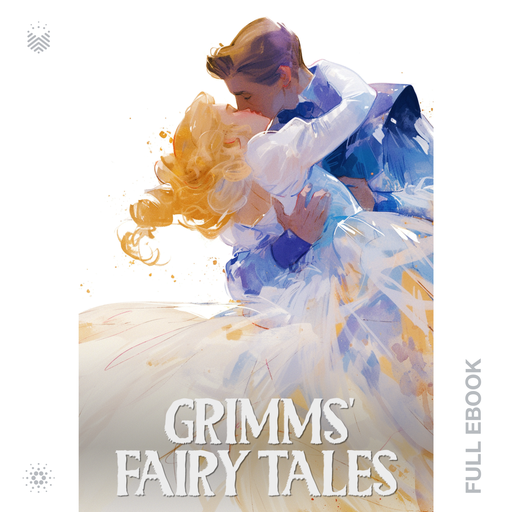
“Grimms’ Fairy Tales,” compiled by the renowned brothers Jacob and Wilhelm Grimm, this beloved anthology brings together a treasure trove of German folklore and fairy tales. Originally published in 1812 as “Children’s and Household Tales,” the collection showcases a rich tapestry of oral traditions passed down through the ages. Read More
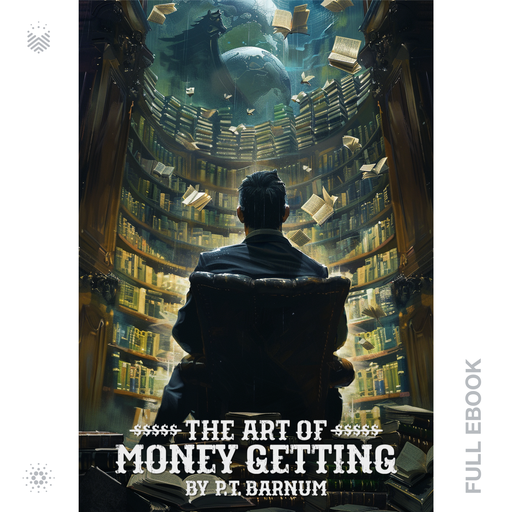
“The Art of Money Getting” is a book written by P.T. Barnum, the famous American showman and businessman, also known for founding the Barnum & Bailey Circus. Originally published in 1880 under the title “The Art of Money Getting, or Golden Rules for Making Money,” this book offers insights and advice on achieving financial success and prosperity. Read More
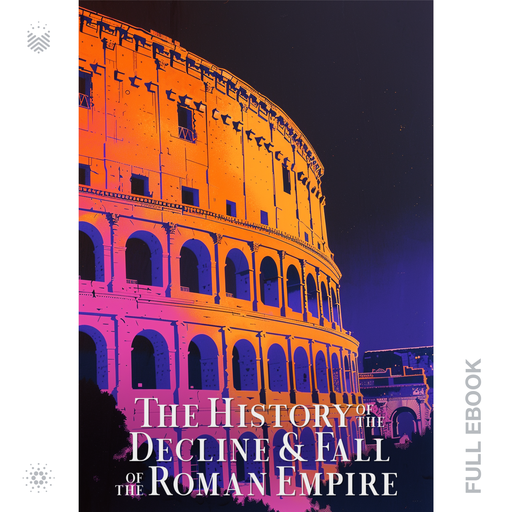
“The History of the Decline and Fall of the Roman Empire” by Edward Gibbon is a monumental work that traces the history of one of the most significant civilizations in human history. Spanning six volumes, Gibbon’s magisterial narrative offers a comprehensive examination of the rise, zenith, and eventual collapse of the Roman Empire. Read More
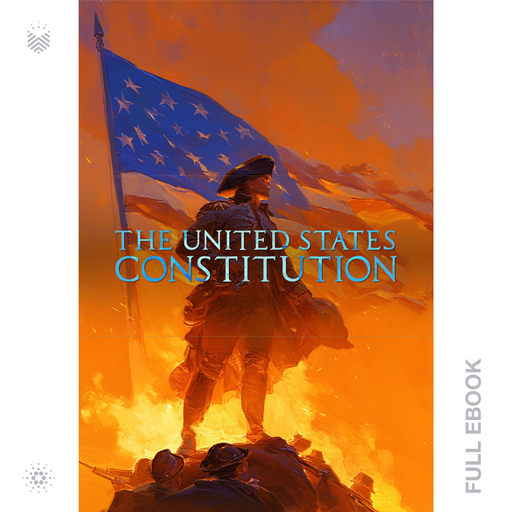
The United States Constitution is the foundational legal document that establishes the framework for the American government and outlines the rights of its citizens. Drafted during the Constitutional Convention in Philadelphia in 1787, it was ratified by the states in 1788 and went into effect in 1789. Read More
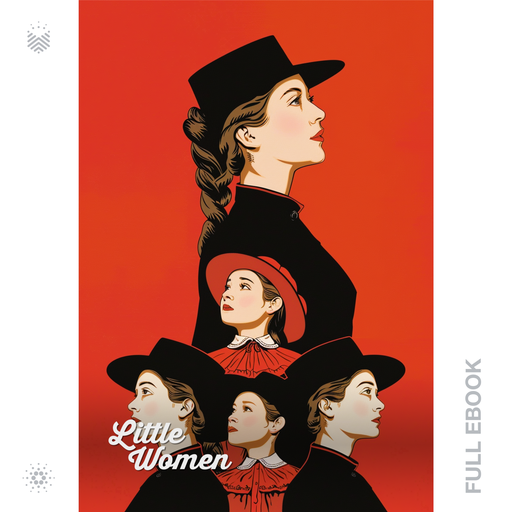
“Little Women” by Louisa May Alcott is a timeless classic that has enchanted readers for generations. Published in 1868, this beloved novel follows the lives of the four March sisters—Meg, Jo, Beth, and Amy—as they navigate the trials and triumphs of adolescence in Civil War-era New England. Read More
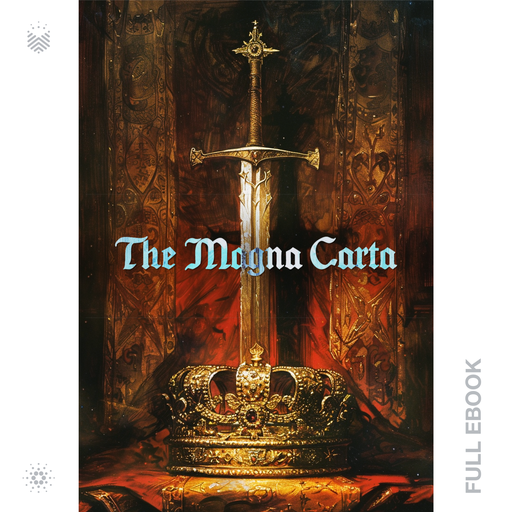
Magna Carta, Latin for “Great Charter,” is a foundational document in English constitutional history. It was signed by King John of England at Runnymede on June 15, 1215, under pressure from rebellious barons seeking to limit the monarch’s power. Read More
Tim the lazy, overweight wizard has his dream job. As the town wizard for a halfling town named Halfass, he never has to do anything except eat, nap and do absolutely nothing. However, he soon finds out that even the best posts don’t last forever…
In “The Wizard Tim,” a tale unfolds of Tim, a lazy and overweight wizard, and his unusually close assistant Julie. When they face the loss of everything they cherish, they’re forced out of their comfort zones of leisure and indulg… Read More
Apuleius wrote “The Golden Ass,” also known as “Metamorphoses,” an ancient Roman novel in the second century AD. The story follows Lucius, a young man who, after experimenting with magic, transforms into a donkey. This transformation leads Lucius on whimsical adventures where he encounters diverse characters and experiences both humor and profundity. Read More
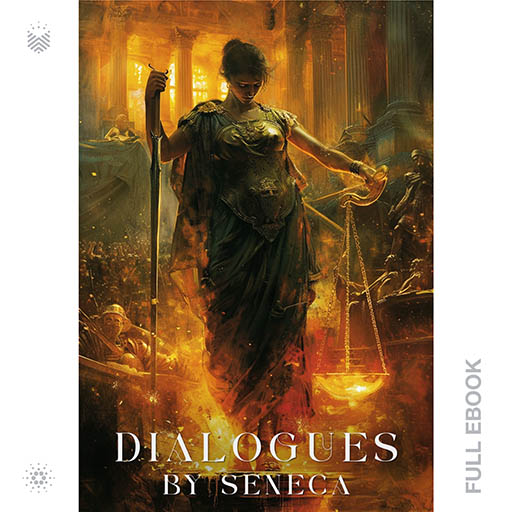
Seneca’s “Dialogues” encompass diverse letters and essays, delving into a broad spectrum of philosophical themes and offering practical guidance for embracing Stoic principles in daily living. Read More
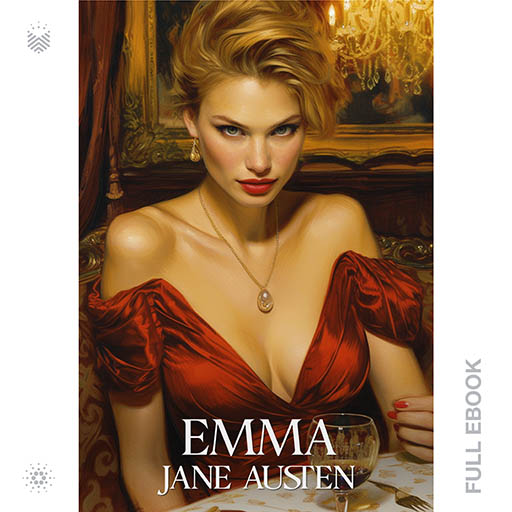
“Emma” is a novel written by Jane Austen, first published in 1815. It is one of Austen’s most well-known works and is considered a classic of English literature. The novel is a comedy of manners and a satire of the social class and gender roles of the early 19th century. Read More
“Moby Dick” is a novel written by Herman Melville, first published in 1851. It is one of the most famous works of American literature and is considered a classic. The novel is known for its intricate and symbolic narrative, as well as its exploration of themes such as obsession, revenge, and the nature of good and evil. Read More
A no-nonsense and helpful guide on how to cope with a slew of mental-health issues that are hellbent on ruining the lives of millions of people worldwide. Read More
“Candide” is a satirical novella written by the French philosopher and author Voltaire. Published in 1759, the work is a philosophical and humorous exploration of the optimism prevalent in the 18th century Enlightenment period. Read More
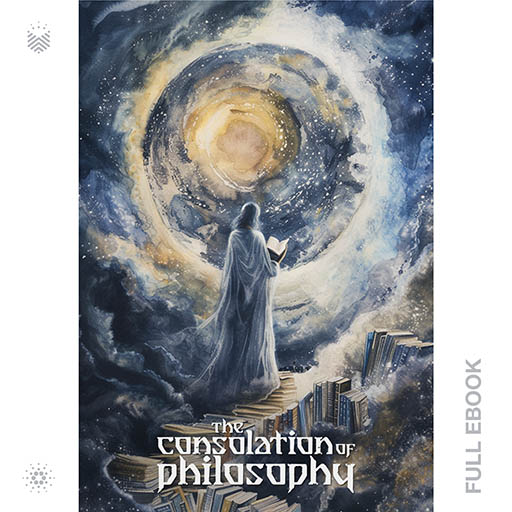
“The Consolation of Philosophy” is a philosophical work written by the Roman statesman and philosopher Boethius around the year 524 AD while he was in prison awaiting execution. The book is considered one of the most important and influential philosophical works of the Middle Ages. Read More
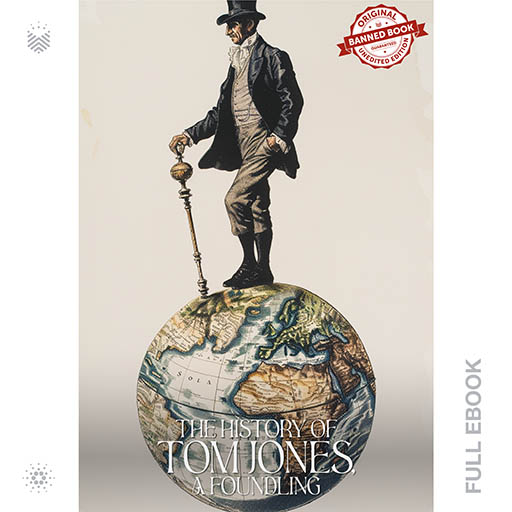
“The History of Tom Jones, a Foundling” is a novel written by the English author Henry Fielding. It was first published in 1749 and is considered one of the earliest examples of the English novel. The novel is known for its comedic and picaresque style, as well as its exploration of the social and moral issues of its time. Read More
“Narrative of the Life of Frederick Douglass” is an autobiographical account written by Frederick Douglass. It was first published in 1845 and is considered one of the most influential pieces of literature to emerge from the abolitionist movement. The narrative provides a firsthand account of Douglass’s life as a slave and his journey to freedom. Read More










 English
  Spanish