Rare Evo ’25 Exclusive
The Book of Black Magic by Arthur Edward Waite is a comprehensive study of occult rituals, ceremonial magic, and esoteric traditions. First published in the late 19th century, this work remains one of the most detailed and influential guides on grimoires and magical practices throughout history.
Read More
Rare Evo ’25 Exclusive
The World Set Free by H.G. Wells is a visionary 1914 novel that predicted the development of nuclear weapons decades before their invention. In this prophetic work, Wells explores how humanity harnesses atomic energy and unleashes destruction on a global scale, only to rebuild society on new foundations of peace and cooperation.
Read More
In The Big Time, Fritz Leiber immerses readers in a tightly wound tale of war, paradox, and psychological tension set within a single room outside of time. The story opens inside a mysterious place called the “Place,” a staging ground used by time-traveling soldiers and medics participating in a vast, secret war that spans all of history. Leiber quickly throws readers into this confined yet conceptually expansive setting, introducing a small cast of characters whose personal dramas play out … Read More
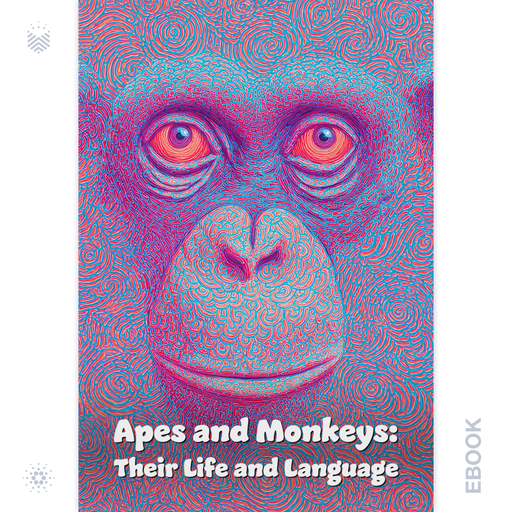
In Apes and Monkeys: Their Life and Language, R.L. Garner presents a vivid firsthand account of his attempts to study the intelligence and communication of primates. Traveling deep into the African jungle and American zoos, Garner sets out to observe and record the behavior, sounds, and social structures of apes and monkeys. He writes with conviction, framing his work as both a scientific mission and a challenge to the prevailing assumptions of his time.
… Read More
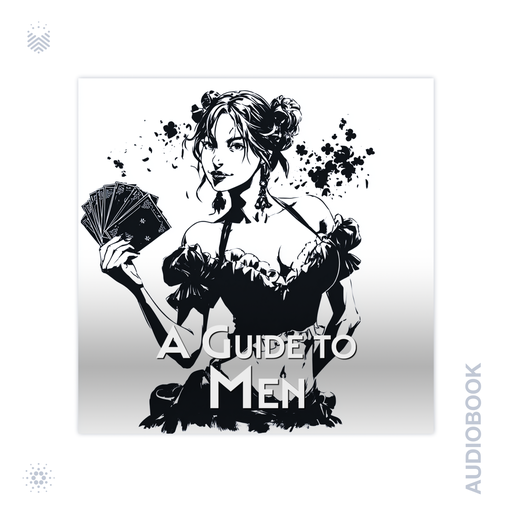
In A Guide to Men, Helen Rowland delivers a witty and biting look at male behavior through the lens of early 20th-century relationships. She wastes no time exposing the inconsistencies, charms, and absurdities of men in love, marriage, and society. With razor-sharp humor and bold candor, Rowland offers women both caution and amusement as they navigate the romantic battlefield.
Read More
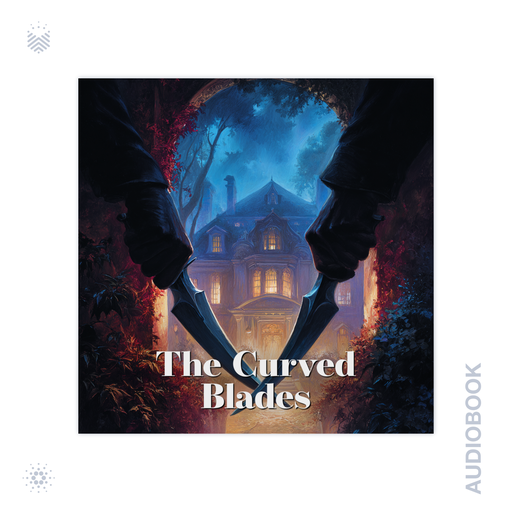
In The Curved Blades, Carolyn Wells launches the reader into a chilling murder mystery where high society masks darker secrets. The story wastes no time as it introduces a suspicious death at a lavish estate, immediately casting a shadow over its elite guests. Wells moves swiftly to set up intrigue, delivering sharp dialogue, subtle clues, and a roster of complex characters with hidden motives.
Read More
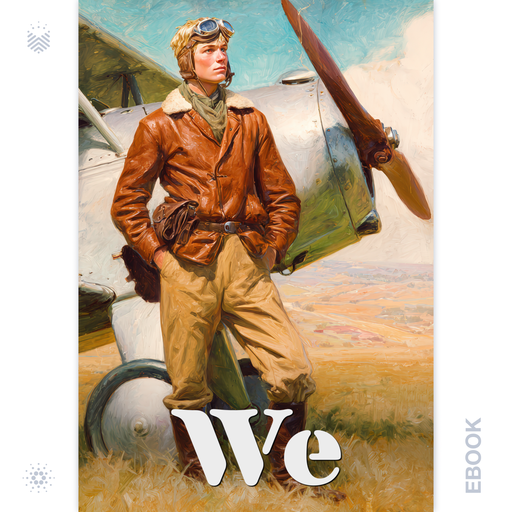
WE opens with Charles Lindbergh’s determined preparation for the first solo transatlantic flight. He writes in a direct, methodical voice, recounting the tense hours before takeoff and the calculated choices that shaped the journey. Lindbergh emphasizes action and intention, guiding readers through the intense physical and mental demands of piloting The Spirit of St. Louis. The narrative wastes no time, thrusting the audience into a firsthand account of one of the 20th century’s defining fea… Read More
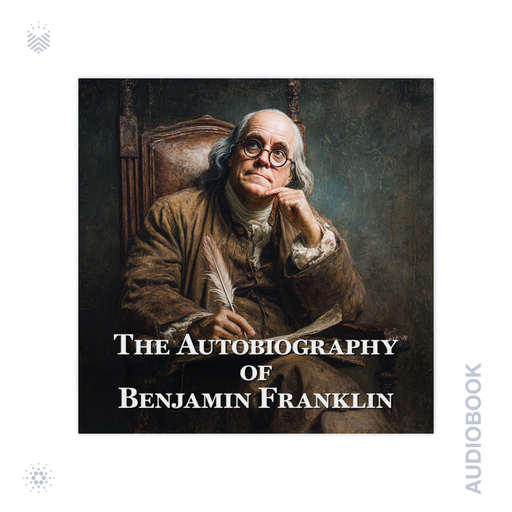
The Autobiography of Benjamin Franklin offers a firsthand account of one of America’s most influential Founding Fathers. Franklin writes with clarity, wit, and purpose, revealing how he shaped his life through reason, hard work, and self-improvement. His story not only chronicles personal triumphs and struggles but also provides a blueprint for personal growth and civic responsibility.
Read More
The Book of the National Parks by Robert Sterling Yard invites readers to explore the breathtaking beauty and cultural importance of America’s national parks. With vivid language and deep reverence, Yard encourages the public to appreciate and protect these treasured landscapes, framing the parks as vital to the nation’s spirit and heritage.
Read More
Anthem by Ayn Rand thrusts readers into a stark, dystopian world where individuality has been erased and the word “I” no longer exists. Rand uses this brief yet powerful novella to challenge collectivist ideologies and celebrate the rediscovery of the self.
Read More
The Prisoner of Zenda delivers high adventure, royal intrigue, and daring heroism in a tightly woven tale of mistaken identity and noble sacrifice. Anthony Hope drops readers into the fictional kingdom of Ruritania, where an English gentleman must impersonate a kidnapped king to save a crown and a country. The novel races with sword fights, political schemes, and impossible love, embodying the romance and swashbuckling spirit of the late 19th century.
… Read More
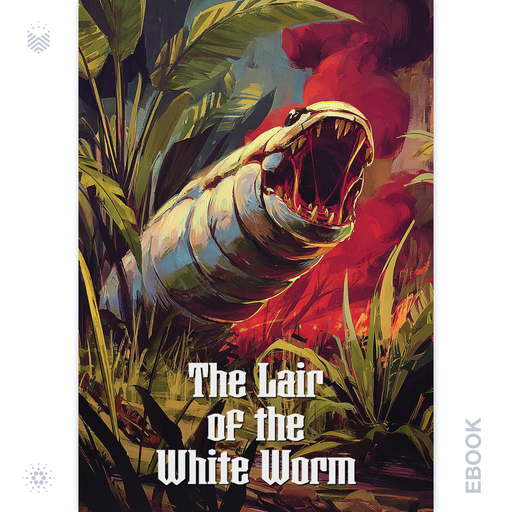
The Lair of the White Worm captures the eerie imagination of Bram Stoker, blending ancient myth with Victorian dread. This gripping tale unfolds with a clear sense of menace, as a young Englishman uncovers a terrifying secret buried in the countryside. Stoker plunges readers into a chilling narrative where science, superstition, and survival collide.
Read More
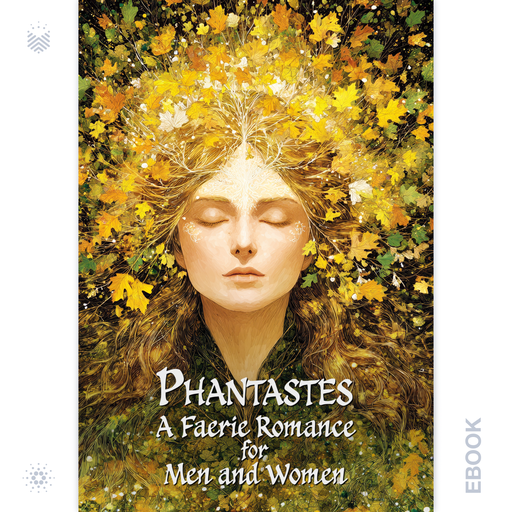
In Phantastes, George MacDonald invites readers on a dreamlike journey through a shifting faerie world where landscapes reflect the soul. The novel follows Anodos, a young man who enters a realm of enchantment, inner struggle, and spiritual transformation. MacDonald does not aim to entertain with simple fantasy; he challenges the imagination and the heart, using myth and symbolism to explore identity, desire, and redemption.
… Read More
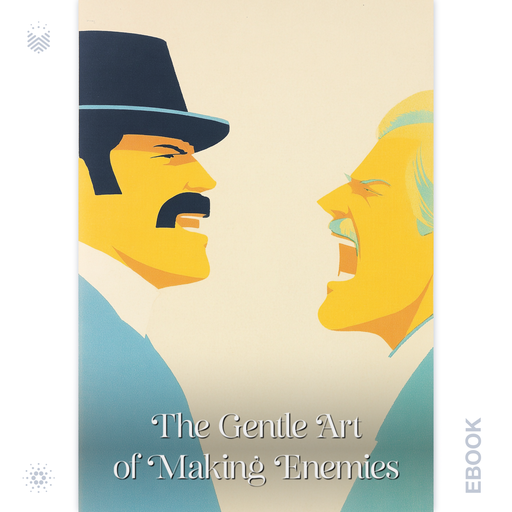
James McNeill Whistler confronts his critics head-on in The Gentle Art of Making Enemies, combining sharp wit, aesthetic theory, and personal defense. He structures the book around his infamous libel case against critic John Ruskin, transforming it into a bold declaration of artistic independence and a caustic critique of the art establishment. Whistler does not plead for approval—he challenges it, mocking convention and defending his reputation with unapologetic elegance.
… Read More
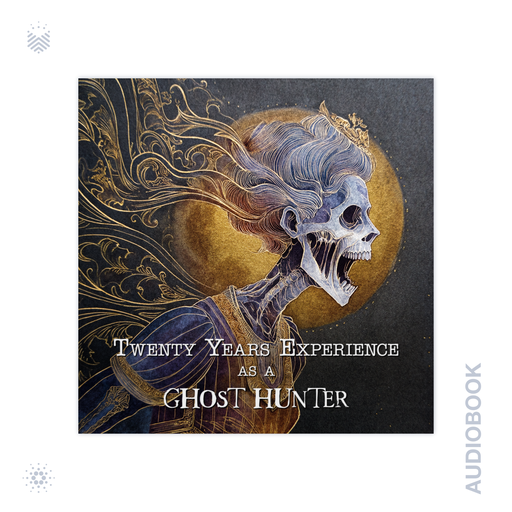
Elliott O’Donnell recounts his personal encounters with the supernatural in Twenty Years’ Experience as a Ghost Hunter, offering vivid tales drawn from his investigations across haunted sites in Britain and beyond. With a direct and confident voice, O’Donnell invites readers into the eerie world of ghost hunting as he saw and lived it, blending anecdote, folklore, and his unshakable belief in the spirit realm.
… Read More
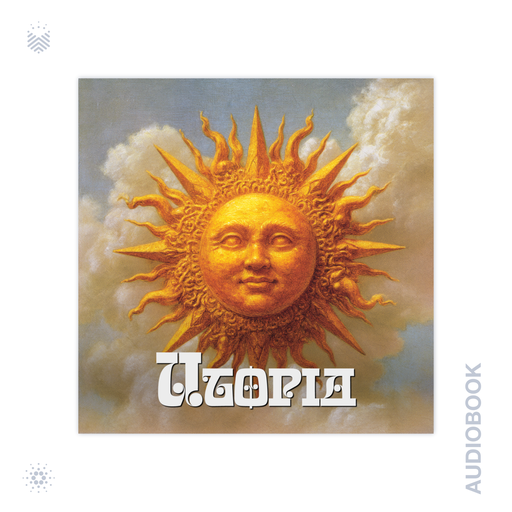
In Utopia, Thomas More constructs a fictional society to critique the political, social, and economic flaws of 16th-century Europe. Through a dialogue between fictionalized versions of himself and the traveler Raphael Hythloday, More presents an imagined island where communal ownership, religious tolerance, and rational governance create a harmonious society. By contrasting this utopian vision with the corruption of contemporary European states, More challenges readers to reflect on justice, ine… Read More
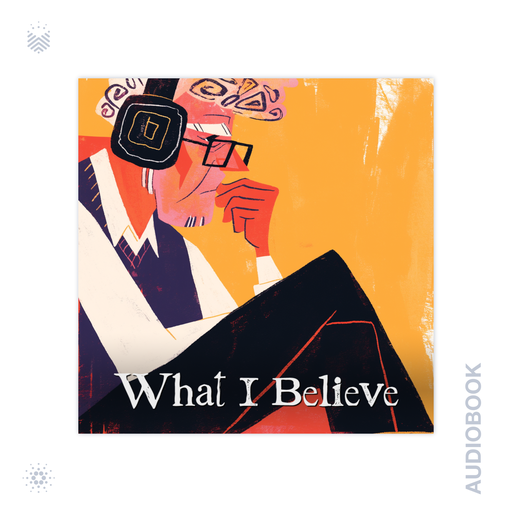
In What I Believe, Bertrand Russell outlines his personal philosophy with bold clarity, grounding his worldview in reason, love, and the pursuit of truth. He challenges religious dogma and traditional moral codes, advocating instead for a life guided by compassion and knowledge. Russell argues that human happiness and ethical living depend not on faith or superstition but on intellectual honesty and emotional integrity. His work provides a thoughtful and accessible guide to living meaningfully i… Read More
Mary Roberts Rinehart’s 1920 novel, A Poor Wise Man, presents a compelling narrative that intertwines personal drama with the broader social and political upheavals of post-World War I America. The story centers on Lily Cardew, a young woman from a wealthy, conservative family, who finds herself drawn to the ideals of socialism and the working-class struggles of the time. Through Lily’s journey, Rinehart explores themes of class conflict, generational divides, and the search for pers… Read More
W. J. Baltzell presents a comprehensive exploration of music’s evolution in A Complete History of Music, guiding readers through the development of musical forms, styles, and cultural contexts. This work serves as an educational resource, offering insights into the progression of music from its earliest beginnings to more contemporary expressions.
Read More
Carmilla by J. Sheridan Le Fanu introduced readers to one of the earliest and most enduring vampire stories in English literature. Le Fanu used a gothic setting, eerie atmosphere, and a hauntingly mysterious relationship between two young women to explore fear, desire, and the supernatural. His novella shaped vampire fiction decades before Dracula emerged, and it remains a key influence in horror and queer literature today.
… Read More
Black Beauty by Anna Sewell tells the story of a horse’s life through his own voice, creating an emotional and moral narrative that has moved readers for generations. Sewell aimed to inspire kindness and humane treatment of horses, using the animal’s perspective to highlight both compassion and cruelty in 19th-century England. Through this simple but powerful tale, she gave animals a voice and urged humans to act with responsibility and empathy.
… Read More
Walden by Henry David Thoreau invites readers into a deeply personal experiment in simple, deliberate living. Thoreau withdrew from society in 1845 to spend over two years in a cabin near Walden Pond in Concord, Massachusetts. During this time, he observed nature, reflected on human society, and recorded his insights with clarity and conviction. His aim focused on stripping life down to its essentials to understand what truly matters, challenging readers to reconsider their assumptions about suc… Read More
The Natural History of Pliny, spanning six volumes, stands as one of the earliest and most ambitious attempts to catalog the world’s knowledge. Written by Pliny the Elder in the first century AD, this monumental work brings together information on subjects as varied as astronomy, zoology, botany, mineralogy, medicine, and art. Pliny’s drive to gather and organize the entirety of human understanding into a single comprehensive text reflects the intellectual spirit of the Roman Empire, capturi… Read More
Edith Wharton delivers gripping psychological tension and sharp social observation in Tales of Men and Ghosts, a compelling collection of short stories that delve into the uncanny and the morally complex. She crafts each narrative with vivid detail and active voice, immersing readers in eerie encounters and the psychological undercurrents of upper-class life.
Read More